
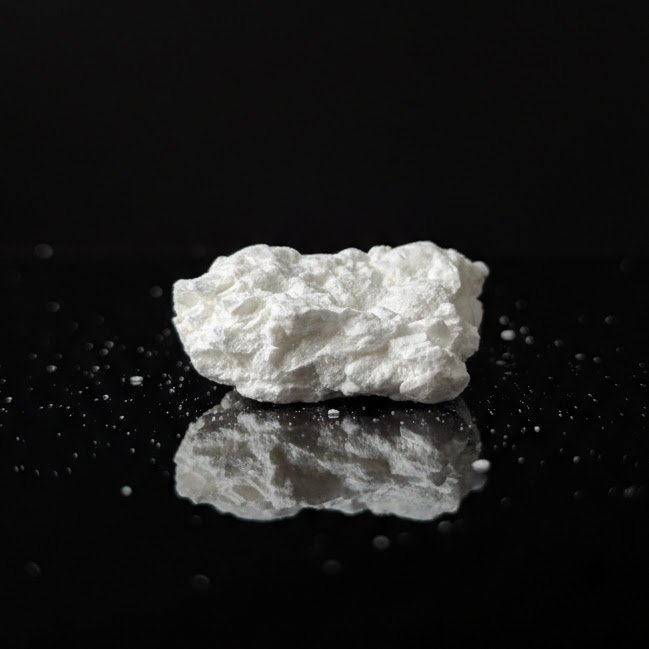
Description
What is Cocaine?
Cocaine is a powerful, highly addictive central nervous system (CNS) stimulant drug.
Origin: It is derived from the leaves of the coca plant (Erythroxylum coca), which is native to South America.
-
Forms:
-
Cocaine Hydrochloride (Powder): The most common form used recreationally, often sniffed (insufflated) or dissolved and injected. It is a white, crystalline powder.
-
Crack Cocaine (Freebase): A form processed into a rock crystal that is typically heated and smoked. It provides a more intense, but shorter, “high.”
-
-
Medical Use: While now rare, it was historically used in medicine as a local anesthetic and vasoconstrictor, primarily in ear, nose, and throat surgery, due to its ability to narrow blood vessels and numb tissue.
Mechanism of Action
Cocaine primarily exerts its stimulant effects by interfering with the brain’s neurotransmitter systems, specifically by blocking the reuptake of three key neurotransmitters:
-
Dopamine: Associated with pleasure, reward, and motivation.
-
Norepinephrine (Noradrenaline): Associated with alertness, wakefulness, and the “fight-or-flight” response.
-
Serotonin: Associated with mood, sleep, and appetite.
By blocking the reuptake (reabsorption) of these chemicals into the transmitting neuron, cocaine causes a massive buildup of these neurotransmitters in the synaptic cleft, leading to the intense and euphoric “high.”
Reviews
There are no reviews yet.